What to Know Before Buying Land in Canton: A Buyer's Checklist
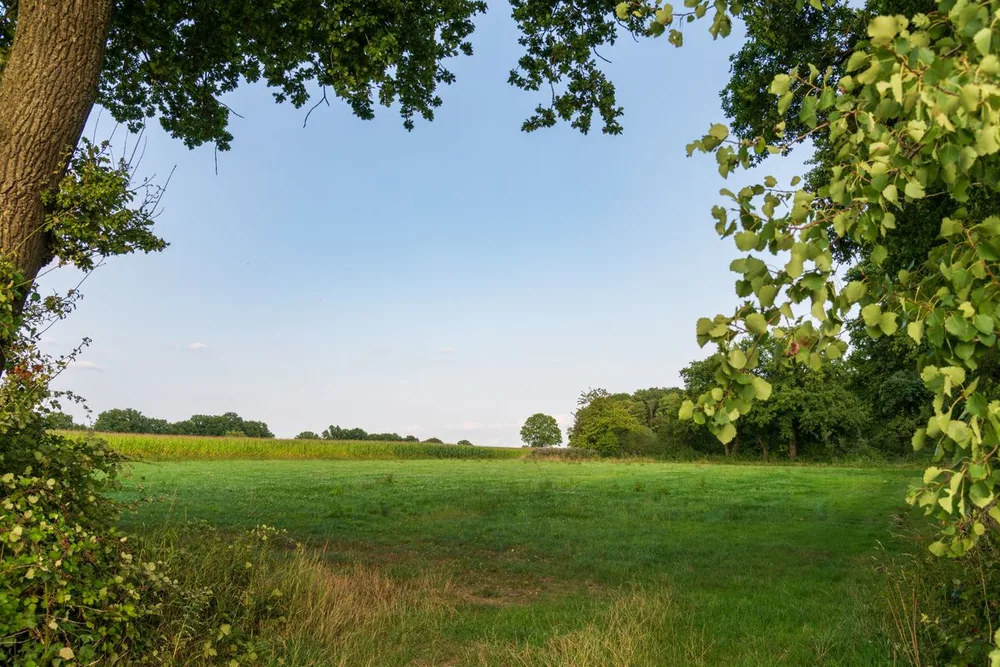
Thinking about building your dream home in Cherokee County? Here's how to evaluate raw land—from zoning and perc tests to utilities and access.
Why Canton and Cherokee County Are Attracting Land Buyers
Cherokee County continues to grow, and Canton remains at the heart of that expansion. With rolling terrain, proximity to Lake Allatoona, and a strong sense of community, it's no wonder buyers are snapping up available lots. But purchasing land is fundamentally different from buying an existing home. You're not just choosing a property—you're choosing the canvas for your future.
Before you write that offer, here's what you need to evaluate to make sure your land purchase is sound.
Start With Lot Size and Shape
Lot dimensions matter more than you might think. A larger lot isn't always better if the buildable area is limited by setbacks, easements, or topography. In Cherokee County, you'll find everything from quarter-acre in-town parcels to multi-acre tracts in areas like Hickory Flat or the outskirts of Woodstock.
Walk the property. Note the slope, tree coverage, and natural features. A gently sloping lot may offer better drainage than a flat one, but steep grades can drive up site prep costs. Odd-shaped or flag lots—those accessed by a narrow strip—can be harder to develop and may affect resale value down the line.
Understand Zoning and Restrictions
Zoning dictates what you can build and how you can use the land. Cherokee County has residential, agricultural, and mixed-use zones, each with specific requirements. Check the county's zoning map or contact the Planning and Zoning Department to confirm the designation of any lot you're considering.
Don't stop there. Many subdivisions and planned communities have additional covenants and restrictions enforced by homeowners associations. These might dictate minimum square footage, architectural style, or even fence height. Request a copy of any HOA documents before you commit.
Confirm Utilities—Or Plan for Alternatives
In established Canton neighborhoods, you'll typically have access to public water and sewer. But if you're looking at land in more rural parts of Cherokee County, you may need a private well and septic system.
For water, research the area's well performance. Talk to neighbors if possible. Most residential wells in the county tap into reliable aquifers, but depth and yield can vary. Budget for well drilling, pump installation, and water testing.
For septic, the county requires a soil evaluation—commonly called a perc test—to determine if the land can support a conventional septic system. Cherokee County's Environmental Health Department oversees this process.
The Perc Test: What It Is and Why It Matters
A percolation test measures how quickly water drains through the soil. The results determine whether you can install a standard septic system or need a more expensive alternative system.
Here's the basic sequence: you'll hire a licensed soil scientist or engineer to conduct the evaluation. They'll dig test pits, assess soil composition, and check the depth to bedrock or the water table. The report goes to the county, which issues (or denies) a septic permit.
This step is critical. If the land fails the perc test and can't accommodate any type of approved system, it may be unbuildable. Always make your land purchase contingent on a successful perc test and septic permit approval.
Check Road Access and Frontage
Does the lot front a public road, or will you need to build or maintain a private drive? In Cherokee County, some parcels are accessible only via shared or recorded easements. Confirm you have legal, permanent access in writing.
Also verify the road's condition. A paved county-maintained road is ideal. A gravel easement shared with other landowners can complicate construction traffic and long-term maintenance.
Evaluate Drainage and Flood Risk
Cherokee County's rolling topography means drainage varies widely from lot to lot. Look for natural drainage paths, standing water after rain, and proximity to creeks or wetlands.
Check FEMA flood maps to see if any portion of the property sits in a floodplain. Even if the buildable area is outside the zone, flood-prone land can limit where you place a septic drainfield or affect future resale.
The Due Diligence Timeline
Once you're under contract, expect to spend several weeks on inspections and approvals. Perc tests and surveys take time to schedule. Title searches may uncover easements or liens. If you're financing the purchase, know that land loans typically require larger down payments and shorter terms than traditional mortgages. Construction financing is a separate process that kicks in once you're ready to build.
For financing guidance specific to land and new construction, I recommend speaking with Mark Collins at Movement Mortgage, who understands the unique requirements of these transactions.
Partner With Someone Who Knows the Ground
Buying land in Canton and Cherokee County offers incredible opportunity, but it's a process that rewards careful homework. From understanding zoning nuances to coordinating perc tests and utility connections, the details matter.
If you're ready to explore available land or need help evaluating a lot you've found, I'd love to walk the property with you and connect you with the right inspectors, engineers, and lenders. Reach out anytime—I'm here to help you build your future on solid ground.
---
Kate Valor is a real estate agent with Keller Williams Realty Partners, serving Canton, Georgia, and the greater Cherokee County area. With deep local knowledge and a commitment to guiding clients through every step of the buying and selling process, Kate helps families find not just houses, but homes.