New Construction in Canton: Your Guide to Builder Contracts & Inspections
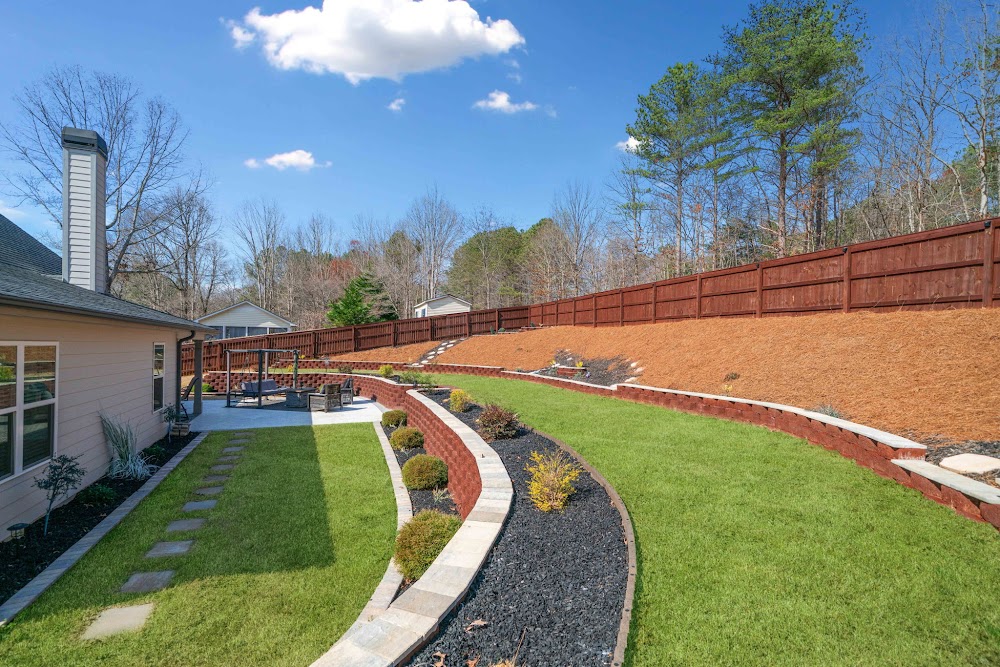
Buying new construction in Cherokee County? Learn what to expect with builder contracts, upgrades, timelines, and why bringing your own agent matters.
Why New Construction Appeals to Canton Buyers
Cherokee County continues to see robust new-construction activity, with builders developing everything from single-family neighborhoods to custom homes on larger lots throughout Canton and surrounding communities. The appeal is clear: modern floor plans, energy efficiency, builder warranties, and the chance to customize finishes from the start. But buying new construction works very differently from purchasing an existing home, and understanding the process can save you thousands of dollars and considerable stress.
Understanding Builder Contracts
When you buy new construction, the builder provides the purchase contract—and it's written to protect the builder's interests first. These contracts are often lengthy, with clauses covering construction timelines, change orders, what happens if the home isn't ready by closing, and limitation of liability provisions.
Unlike resale transactions where your agent negotiates terms, builder contracts tend to be less negotiable on major points. However, experienced buyer's agents know which provisions can be adjusted and what red flags to watch for. Pay particular attention to the completion date language (many contracts include broad extensions for weather or material delays), the scope of the warranty, and what happens if you need to back out.
Have the contract reviewed carefully before you sign. The builder's on-site sales agent represents the builder's interests, not yours—which is exactly why bringing your own representation matters.
The Truth About Upgrades and Incentives
Builders in the Canton area often advertise attractive incentives: closing cost assistance, rate buy-downs, or free upgrades. These can provide real value, but read the fine print. Some incentives require you to use the builder's preferred lender or title company. Others may be baked into a higher base price.
When it comes to upgrades—countertops, flooring, built-ins, lighting packages—builders typically charge a premium over what you'd pay a contractor after closing. Do the math on big-ticket items. Sometimes accepting the base finishes and upgrading later makes financial sense. Other times, structural additions (extra outlets, pre-wiring, a third garage bay) must happen during construction and are worth doing through the builder.
Ask for an itemized upgrade list with individual costs, not just a package price. And remember: every change order you sign becomes part of your binding contract.
New Construction Financing: Not Your Standard Mortgage
Financing new construction differs from a conventional purchase. If you're buying in an established neighborhood where the home is nearly complete, the process resembles a standard mortgage. But if you're building on raw land or the home is in early stages, you may need a construction-to-permanent loan—a single-close loan that covers both the building phase and converts to a permanent mortgage at completion.
Land loans, if you're buying a lot separately, typically require larger down payments and shorter terms than home mortgages. If financing is part of your plan, talk to a lender experienced in new construction early in the process. Mark Collins with Movement Mortgage works extensively with buyers navigating new-construction financing in Cherokee County and can walk you through the options and timeline.
Inspections: Yes, You Still Need Them
New construction doesn't mean problem-free construction. Building codes provide a baseline, but code compliance doesn't catch every issue—and county inspectors focus on life-safety systems, not finish quality or whether the HVAC is properly sized.
Schedule independent inspections at key phases: foundation/framing (before drywall goes up, so you can see the bones), pre-drywall mechanical (plumbing, electrical, HVAC rough-ins), and a final walk-through inspection before closing. Builders may push back, but reputable builders understand that quality work holds up to scrutiny. Budget roughly for these inspections as part of your due diligence.
Document everything with photos during your walk-throughs. Create a punch list of incomplete or incorrect items well before closing, and don't let the builder rush you into closing with promises to fix things later.
Why You Need Your Own Agent
The on-site sales agent at the builder's model home seems helpful—and they often are—but they work for the builder and are paid by the builder. Their job is to sell the builder's homes at the best possible terms for the builder.
Bringing your own buyer's agent costs you nothing (the builder pays the commission either way, and it's already factored into the home's price), but it gets you an advocate who represents your interests through contract negotiations, change orders, the building process, and closing. An experienced local agent knows which builders have strong reputations in Cherokee County, what timelines are realistic, and how to protect your earnest money and contractual rights.
Just make sure to bring your agent on your very first visit to the sales office—most builders won't allow you to add representation after your first visit is logged.
Timeline Expectations
New construction timelines vary widely. A home in a neighborhood where the infrastructure is in place might take four to six months from contract to closing. A custom build on raw land can take a year or more once you factor in lot prep, permitting, and construction.
Be realistic about timing if you're coordinating a sale of your current home or a lease end date. Delays happen—material shortages, weather, labor availability, inspection corrections. Good builders communicate proactively about schedule changes; less experienced or overextended builders may leave you guessing. Ask about the builder's current timeline performance on recent projects in Canton before you commit.
Finding the Right Fit in Canton
Checker out new developments around the Canton area, you'll find a range of builders—national production builders offering semi-custom homes in planned communities, and local custom builders working on individual lots. Each approach has trade-offs in price, customization, and timeline.
Walk multiple communities, compare base pricing and included features honestly, and pay attention to build quality in the models and completed homes. Talk to recent buyers if possible. Drive through older neighborhoods by the same builder to see how homes and common areas have held up.
With the right guidance, new construction can be a fantastic option—you get exactly the home you want, with modern systems and warranty protection, in the Canton community you love. Understanding the process and protecting your interests from contract to closing makes all the difference.
Whether you're exploring new-construction neighborhoods or considering a build on your own lot here in Canton, the process works best when you have an experienced guide who knows the local market and the builder landscape. I'd love to help you find the right home—new construction or resale—and walk you through every step of making it yours. Reach out anytime to start the conversation.
Kate Valor is a real estate agent with Keller Williams Realty Partners, serving Canton, Georgia, and the greater Cherokee County area. She helps buyers and sellers navigate everything from new construction to established neighborhoods, with a focus on clear communication and protecting her clients' interests throughout the transaction.